
15 games found

family, puzzle
animal, family, girls, hospital

casual, dressup, hospital, kids

casual, kids, makeover

kids
animal, building, hospital

simulation

family, hospital
family, hospital

animal, dressup, family, girls, halloween

animal, casual, hospital, kids, singleplayer

animal, cooking, makeover, simulation
family, hospital

cartoon, casual, family, girls, hospital, kids, makeover

animal, casual, puzzle
Care games invite you to take responsibility for virtual beings that need your attention and love. From cute pets to baby characters, these games develop empathy and teach the basics of caregiving through engaging gameplay. Watch your charges grow and thrive as you provide food, entertainment, and affection.
Care games teach responsibility and consequence, showing how attention and effort result in positive outcomes. They develop empathy by encouraging players to consider another being's needs. For younger players, care games can introduce concepts of pet ownership and caregiving before real-world responsibilities. The nurturing gameplay provides emotional satisfaction and stress relief.
Animal lovers, young players learning responsibility, anyone seeking nurturing gameplay experiences, and players wanting stress-free, positive entertainment.
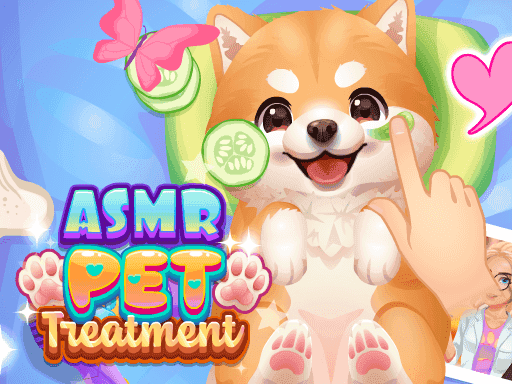
Treat adorable pets with satisfying ASMR care routines. Groom, heal, and pamper animals with relaxing sounds and visuals.
Treat foot ailments as an urgency care podiatrist in this medical simulation. Help patients with various foot conditions through careful procedures.
Take care of adorable Komaru the cat through petting, feeding, bathing, and bedtime routines. Dress her in stylish looks including hats, glasses, collars, and fur colors.
Join Baby Hazel in baking delicious banana bread from scratch. Follow recipe steps carefully to create perfect homemade treats in this cozy kitchen adventure.
Care games create a unique emotional space in gaming: relationships. While most game genres focus on overcoming external challenges — defeating enemies, solving puzzles, winning races — care games focus on attending to another being's needs and watching them thrive in response. This relational focus taps into deeply human instincts around nurturing and responsibility, creating emotional engagement that purely competitive or puzzle-based games cannot achieve. The appeal of care games is rooted in genuine caretaking psychology. When a virtual pet's needs are met and it visually signals contentment, the emotional response in players is real, not merely simulated — the same brain systems that respond to caring for real animals activate in response to consistent, clear need-and-response gameplay loops. Well-designed care games leverage this authenticity, creating emotional connections that motivate continued engagement beyond what mechanical interest alone would sustain. Medical care games — dentist simulations, foot doctor games, general treatment games — use the care format to create satisfying problem-solution experiences. The patient presents with a clearly visible problem; the player applies the correct treatment; the problem resolves and the patient expresses relief. This satisfying loop of diagnosis, treatment, and resolution mirrors the satisfaction of real medical work, giving players insight into healthcare roles while delivering genuine gameplay satisfaction. ASMR care games add sensory dimension to the nurturing format. The combination of careful, precise movement with satisfying sound feedback (the click of a treatment tool, the visual pop of a problem being resolved) creates the distinctive ASMR trigger response in susceptible players — a tingling, relaxing physical reaction that makes these games among the most physiologically calming gaming experiences available. Pet care games occupy an important role for younger players developing responsibility concepts. Caring for a virtual pet that has visible needs, that registers neglect through diminished condition, and that responds to attention with visible happiness teaches cause-and-effect relationships around caregiving that can inform later real-world responsibility.