
18 games found
casual, family, match3, puzzle, singleplayer
3d, family, platformer, puzzle
3d, casual, educational, shooter
arcade, endless, family, puzzle, runner
educational, family, puzzle
family, puzzle
educational, family, puzzle
2d, casual, educational, family, singleplayer
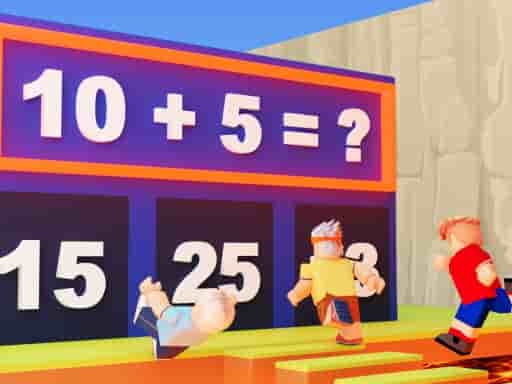
building, educational, family, platformer
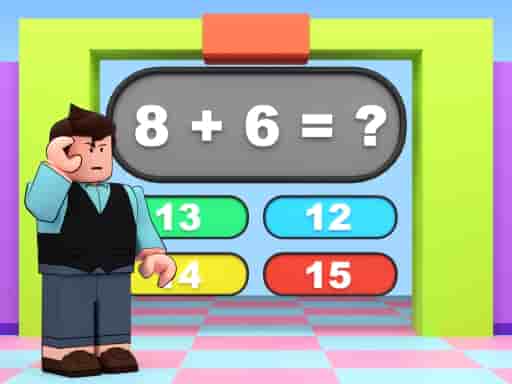
building, educational, escape, family, runner
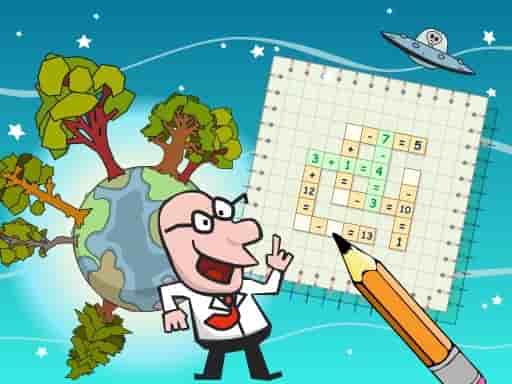
educational, kids, puzzle
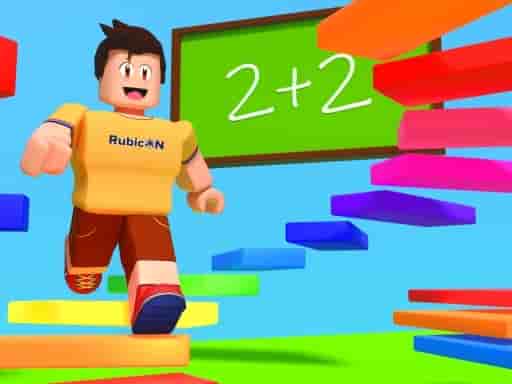
building, educational, family, platformer, tower-defense
casual, family, match3, puzzle, singleplayer

animal, arcade, cartoon, family, shooter

building, family, hospital
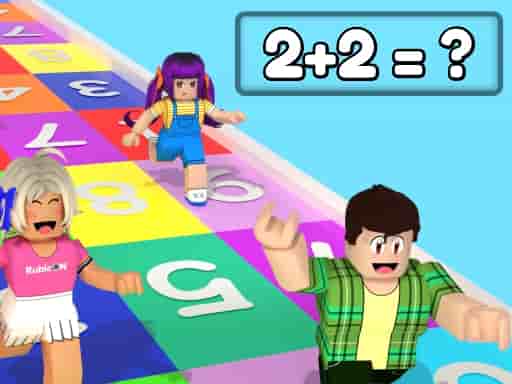
arcade, building, educational, family, runner
2d, family, puzzle, singleplayer
2d, educational, family, puzzle, singleplayer
Educational games prove that learning and fun aren't opposites. These games disguise lessons in mathematics, language, science, and more within engaging gameplay that makes acquiring knowledge feel like play rather than work. From basic arithmetic drills wrapped in adventure to vocabulary builders disguised as word puzzles, educational games make study sessions something to look forward to.
Learning through play activates different brain pathways than traditional study, often resulting in better retention and understanding. Educational games provide immediate feedback, helping learners identify and correct mistakes quickly. The game format adds motivation through achievements and progress tracking. For reluctant learners, these games can transform dreaded subjects into enjoyable activities.
Students of all ages, parents seeking productive entertainment for children, adult learners wanting to build skills enjoyably, teachers looking for classroom supplements, and anyone who believes learning should be fun.
Match cards featuring iconic characters from the Italian Brainrot meme universe in this memory-training experience. Flip tiles to reveal dynamic meme heroes while exercising your recall abilities across multiple.
Navigate parkour obstacles while solving math problems in this educational obby. Quick calculations determine pathway success.
compete opponents using math skills as a fearless duck warrior in this educational card competition game. Pick number cards and combine them through arithmetic to defeat foes.
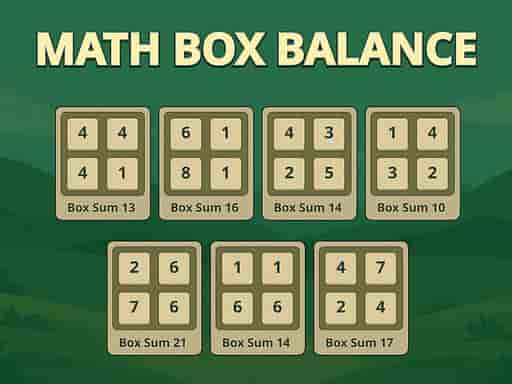
Balance boxes containing number blocks where each box requires correct summation. Progress from simple two-box puzzles to complex eight-box challenges requiring careful calculation and strategic number placement.
Catch falling letters and guess correct words across different themes in this fast-paced word puzzle. The educational gameplay makes vocabulary building exciting.
Climb, think, and survive by ascending obstacle courses filled with tricky jumps and surprise math challenges. Combine parkour skills with quick mathematical thinking.
Educational games operate on a simple but powerful insight: motivation is the primary obstacle to learning. Traditional studying can feel like an obligation, a means to an end. Educational games transform the same content into challenges with immediate rewards, clear progress metrics, and the intrinsic motivation of wanting to see what comes next. When learning happens inside a game, the brain's reward systems engage in ways that purely instrumental study cannot activate. The range of subjects covered by educational games spans virtually every academic discipline. Mathematics games embed arithmetic, geometry, and logic in gameplay loops where correct answers determine success. Language games build vocabulary through word-finding challenges, spelling races, and creative story frameworks. Geography and general knowledge games teach world facts through trivia and identification challenges. Memory games train recall through matching and sequence exercises. Each subject requires different game design — math benefits from immediate right/wrong feedback, while language often benefits from exposure and context over explicit instruction. What separates effective educational games from ineffective ones is how seamlessly the learning is integrated into the gameplay. The best educational games teach through play rather than pausing play to teach. A game that stops to present a math problem as a gatekeeper feels like homework with extra steps. A game that requires correct math answers to fire weapons, open doors, or solve puzzles integrates learning into the experience so naturally that players barely notice they're being taught. Spaced repetition — one of the most evidence-backed learning techniques — is built naturally into educational games that require repeated encounters with content. Games that re-present slightly difficult concepts at increasing intervals provide exactly the kind of practice that creates durable memory. Well-designed educational games essentially gamify the optimal study technique. For Ethiopian learners specifically, educational browser games offer a valuable bridge between classroom concepts and engaging practice, helping reinforce mathematics, geography, and English language skills outside formal school settings. The accessibility of browser games means educational reinforcement doesn't require expensive devices or software installations.
Educational gaming has roots in the earliest computer applications. In the 1970s and 1980s, schools began acquiring computers specifically for educational software — programs like Oregon Trail (1971) and Carmen Sandiego (1985) became cultural touchstones that millions of students remember decades later as genuinely formative experiences. The Oregon Trail's enduring legacy demonstrates educational games' potential: a straightforward resource management simulation about pioneer life taught history, mathematics, probability, and decision-making to generations of American students who remember it fondly because it was genuinely fun. Carmen Sandiego made geography and history exciting through detective gameplay that motivated players to learn world facts in service of solving puzzles. The internet era democratized educational gaming enormously. Browser-based math, language, and geography games became standard classroom supplements in the 2000s. Mobile gaming expanded educational gaming to adults, with language learning apps like Duolingo demonstrating that gamification could maintain engagement across thousands of sessions. Today educational games range from simple arithmetic drills to sophisticated simulation-based learning environments that mirror real-world systems in ways that develop genuine understanding.